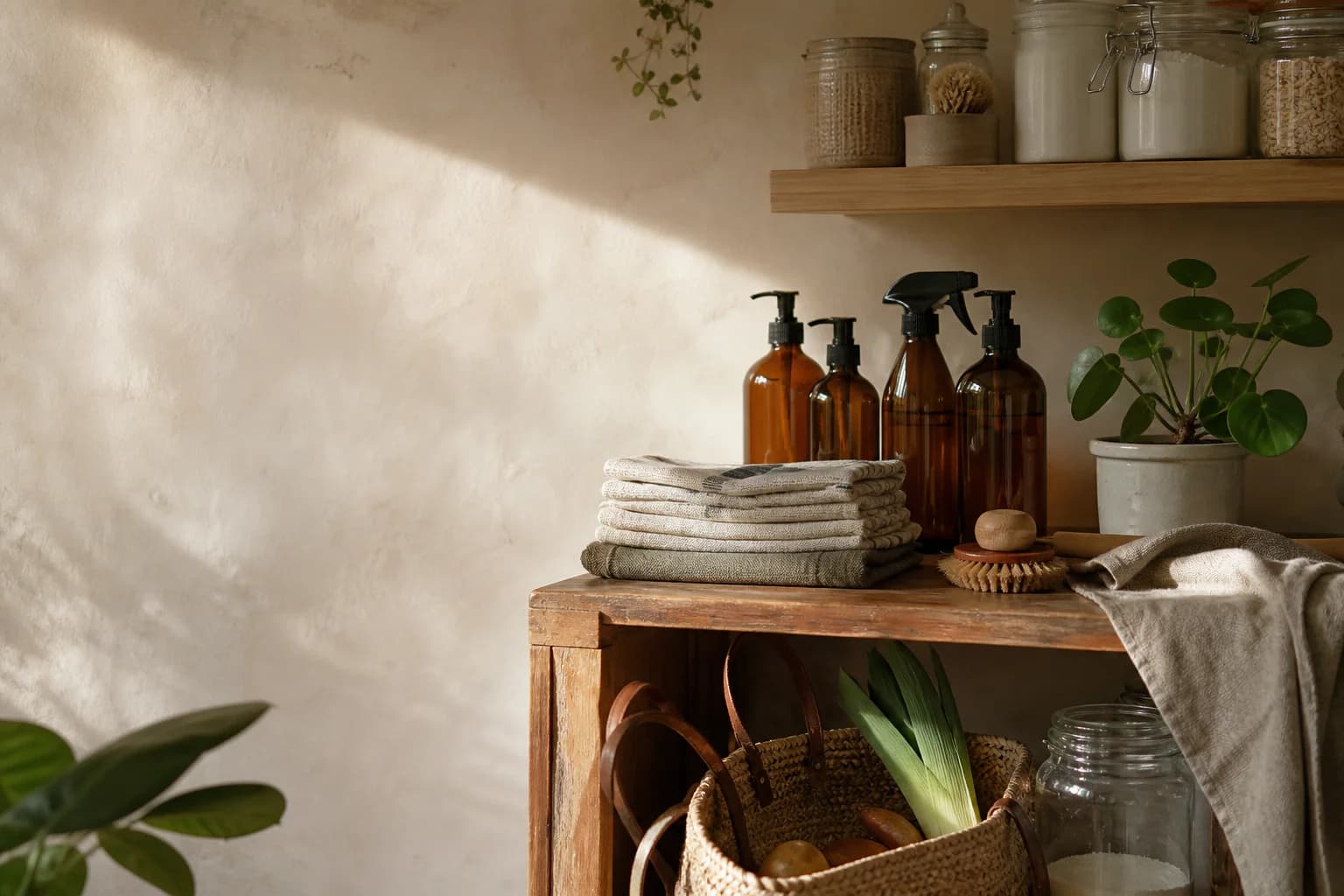
Sustainable living gets easier when the better choice is ready before you need it. A starter kit should not be a box of trendy objects. It should solve repeated household moments: cleaning, storing food, carrying reusables, doing laundry, and reducing avoidable waste.
This guide focuses on durable, useful products that support behavior change. Buy slowly, use what you already own first, and replace items when they genuinely need replacing so the kit supports the routine instead of becoming another storage problem.
Best place to start
Blueland Clean Home Kit Refills
Start with the highest-fit pick, then use the comparison table if you need a different price, material, or routine match.
What to look for
- Swaps tied to repeated habits, not one-off novelty purchases.
- Durable materials and replacement parts where possible.
- Products that reduce waste without making the routine harder.
- A realistic storage setup so the reusable option is easy to find.
- Local fit, especially for composting, recycling, refills, and water quality.
Product comparison
Use the comparison to narrow by everyday fit, price range, and practical highlights before checking a retailer page.
| Product | Best for | Merchant | Price | Highlights |
|---|---|---|---|---|
| Blueland Clean Home Kit Refills | Low-waste cleaning | Amazon | $$ | Cleaner tablet refills, Plastic-light packaging, Small storage footprint |
| Bee's Wrap Assorted Beeswax Wraps | Reducing plastic wrap | Amazon | $ | Three assorted sizes, Washable beeswax cotton, Stores flat |
| Epica Stainless Steel Compost Bin | Food waste reduction | Amazon | $$ | 1.3 gallon capacity, Charcoal filters, Stainless steel body |
Best for: Low-waste cleaning
Blueland Clean Home Kit Refills
Tablet refills for common home cleaning jobs without bulky replacement bottles.
Pros
- Good for refilling an existing reusable-bottle setup
- Takes little cabinet space
- Cuts down on repeat bulky bottles
Cons
- Works best if you already have bottles
- Fewer reviews than older cleaning brands
Best for: Reducing plastic wrap
Bee's Wrap Assorted Beeswax Wraps
Washable wraps for covering bowls and packing low-waste snacks.
Pros
- Simple kitchen swap
- Good for produce, bowls, and snacks
- Widely reviewed reusable-wrap option
Cons
- Not for hot foods
- Not vegan
- Needs gentle washing
Best for: Food waste reduction
Epica Stainless Steel Compost Bin
A compact bin that makes food scrap collection less messy.
Pros
- Keeps scraps contained on the counter
- Makes composting more visible
- Durable, easy-wipe material
Cons
- Requires local compost access
- Filters need replacement
FAQ
What should I buy first for a sustainable home?
Start with the repeated problem that creates the most waste or cost in your home. For many people that is food storage, cleaning products, or reusable carry items.
Is buying new sustainable products always better?
No. Using what you already own is often the lowest-waste option. Buy new products when they replace a recurring disposable habit.
Can sustainable swaps save money?
Many can, especially when they reduce disposables, food waste, or unnecessary purchases. Savings depend on local prices and whether you use the item consistently.